
Modesty, a term previously and unflatteringly associated with buttoned-up garments of eras past, is having its moment at the forefront of fashion.
After decades of a hypersexualised norm, producers and consumers the world over are looking to more relaxed styles that place a different emphasis on the body, and show the myriad ways women across the world dress. In this context, modesty can mean a range of things. For some, it’s about covering skin; for others it’s about draping gently over curves rather than hugging or revealing them.
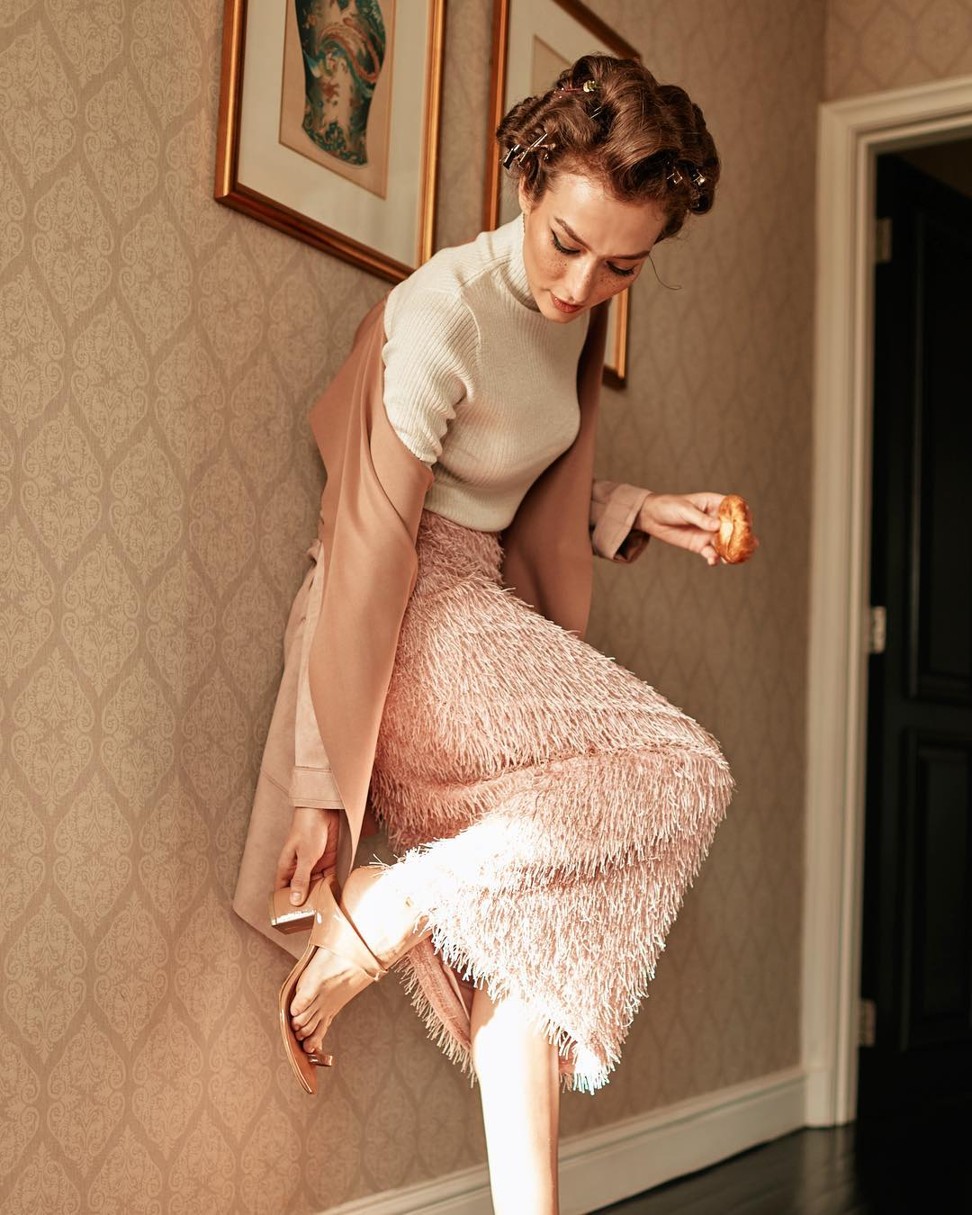
And while there is certainly a religious aspect to why some women choose to dress modestly, it is also a conscious and cultural choice. Women have more agency now than ever before to determine how fashion will serve them, rather than the other round. For many, that means clothes that express their femininity in ways other than short, tight, plunging and strappy styles.
Designing for modesty has always been the norm for fashion labels in Southeast Asian countries like Malaysia, Singapore and Indonesia. There is a strong Muslim customer base in the region, which require clothes that are conservative but also stylish, suitable for the hot, humid weather, and appropriate across a range of different occasions.
Everyday wear is important, of course, but so are pieces for the many festivals and occasions shared across the different cultures that make up these countries.
In Malaysia, for example, even people who do not follow the Muslim faith often dress modestly out of religious sensitivity – and they don’t consider it a deprivation.
Perhaps the modern way of looking at modest wear is not to call it as such. Where before it may have been seen as a distinct segment of the market, the breadth of customer it now attracts cannot be confined to a single demographic, much less a single religion.
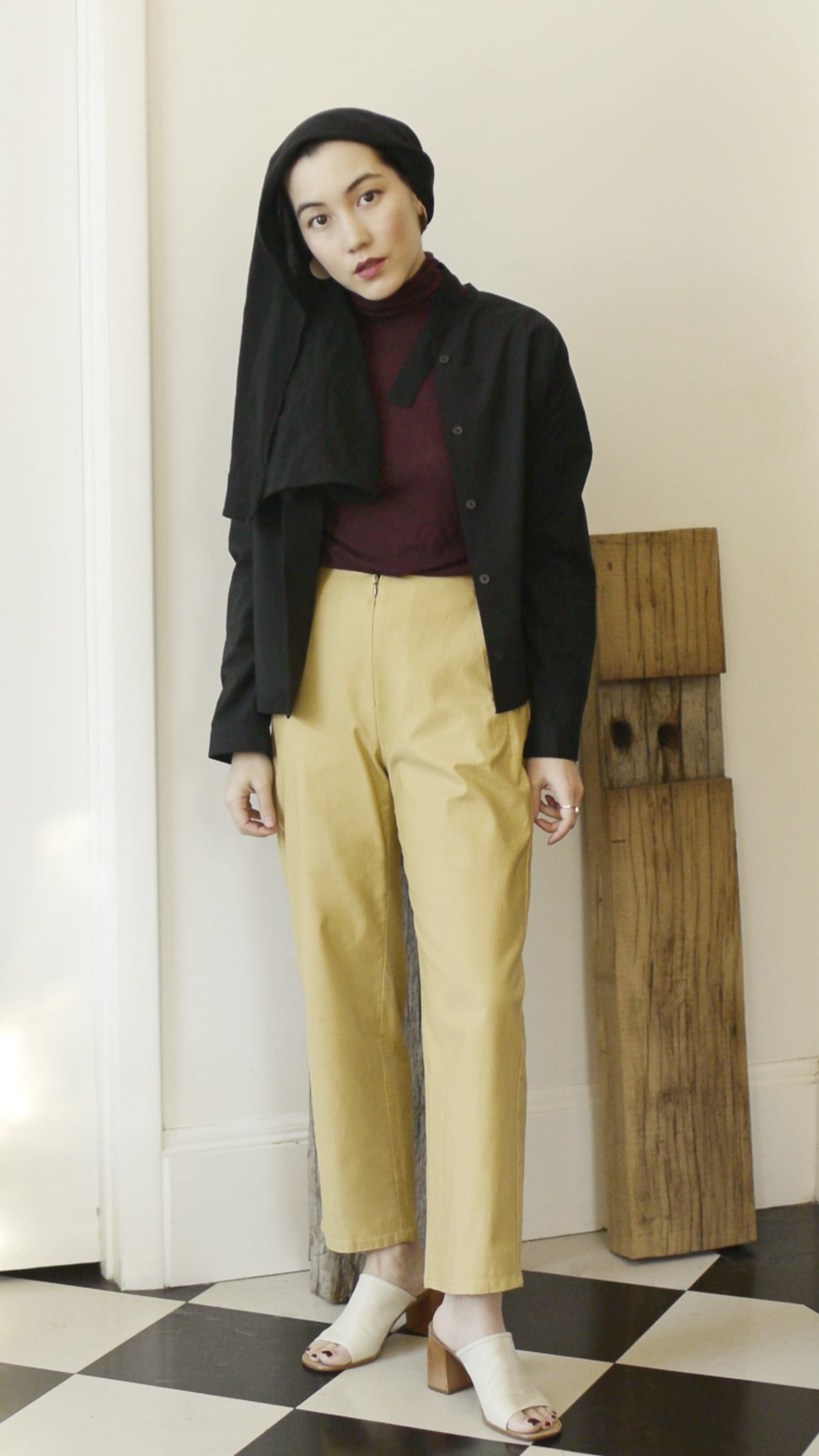
Malaysian designer Syazana Sukiman designs capsule wardrobe pieces for her brand Whimsigirl that are practical, comfortable, versatile – and modest. Her signature pieces are loose and breezy linen separates designed to work with women’s bodies, not against them.
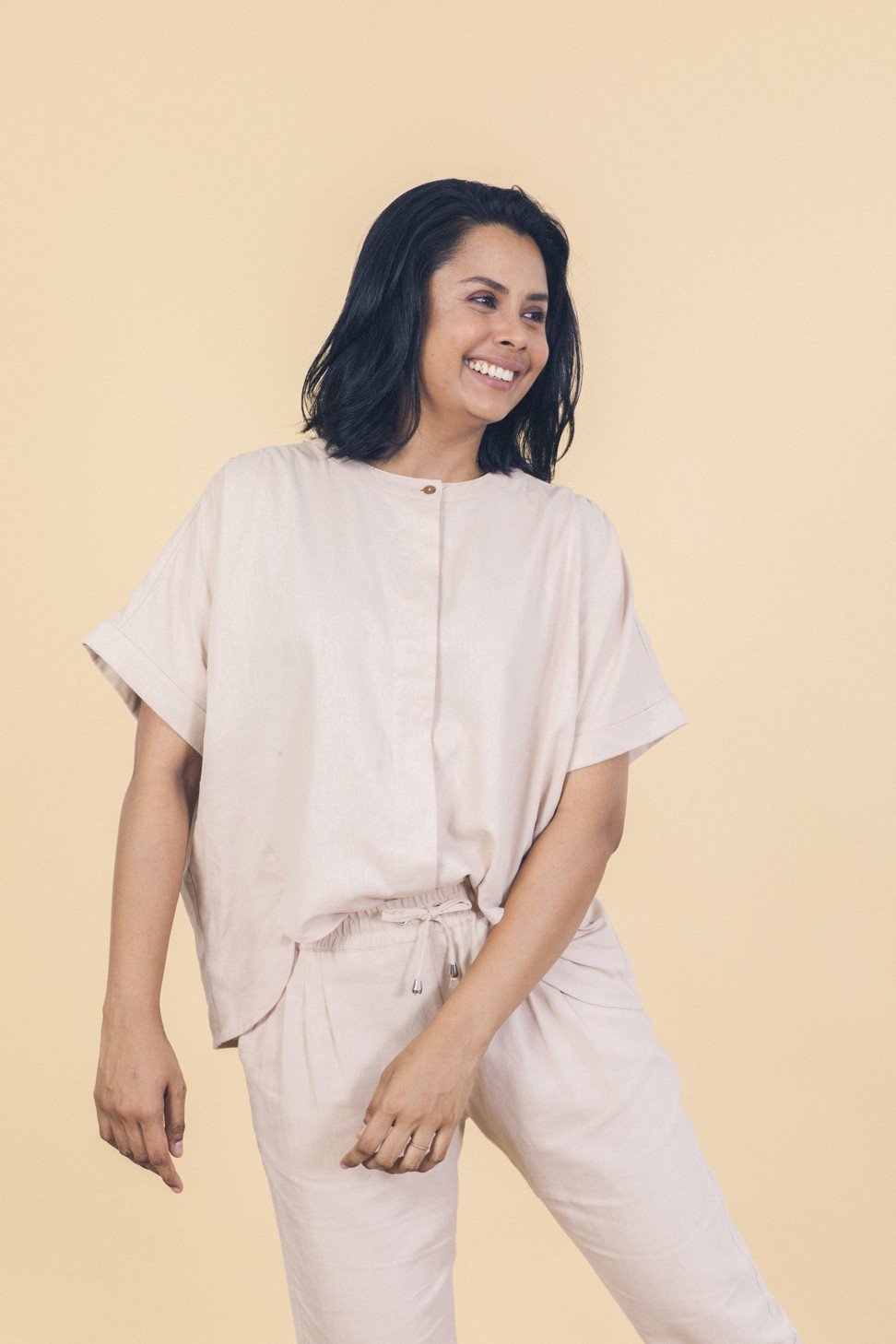
“We’ve always pushed the idea that we should produce beautiful and comfortable clothing to help women feel comfortable in their own skin so they could go out into the world and project the best version of themselves,” Sukiman says. “It’s a beautiful thing today to see women accepting and embracing their own beauty standards and uniqueness, not society’s standard.”
The Modist , modest fashion’s answer to luxury online retailer Net-a-Porter, carries over 100 international designers in its extensive directory, and very few of them are exclusively modest brands. There’s Scandi-cool Ganni, cult denim brand Re/Done, New York favourite Rachel Comey and Parisian house Giambattista Valli. It’s a concrete sign that modest fashion is no longer about tokenism, or even religion – it’s just another way that women across demographics can choose to dress themselves, outside fickle Insta-fads or industry-dictated trends.
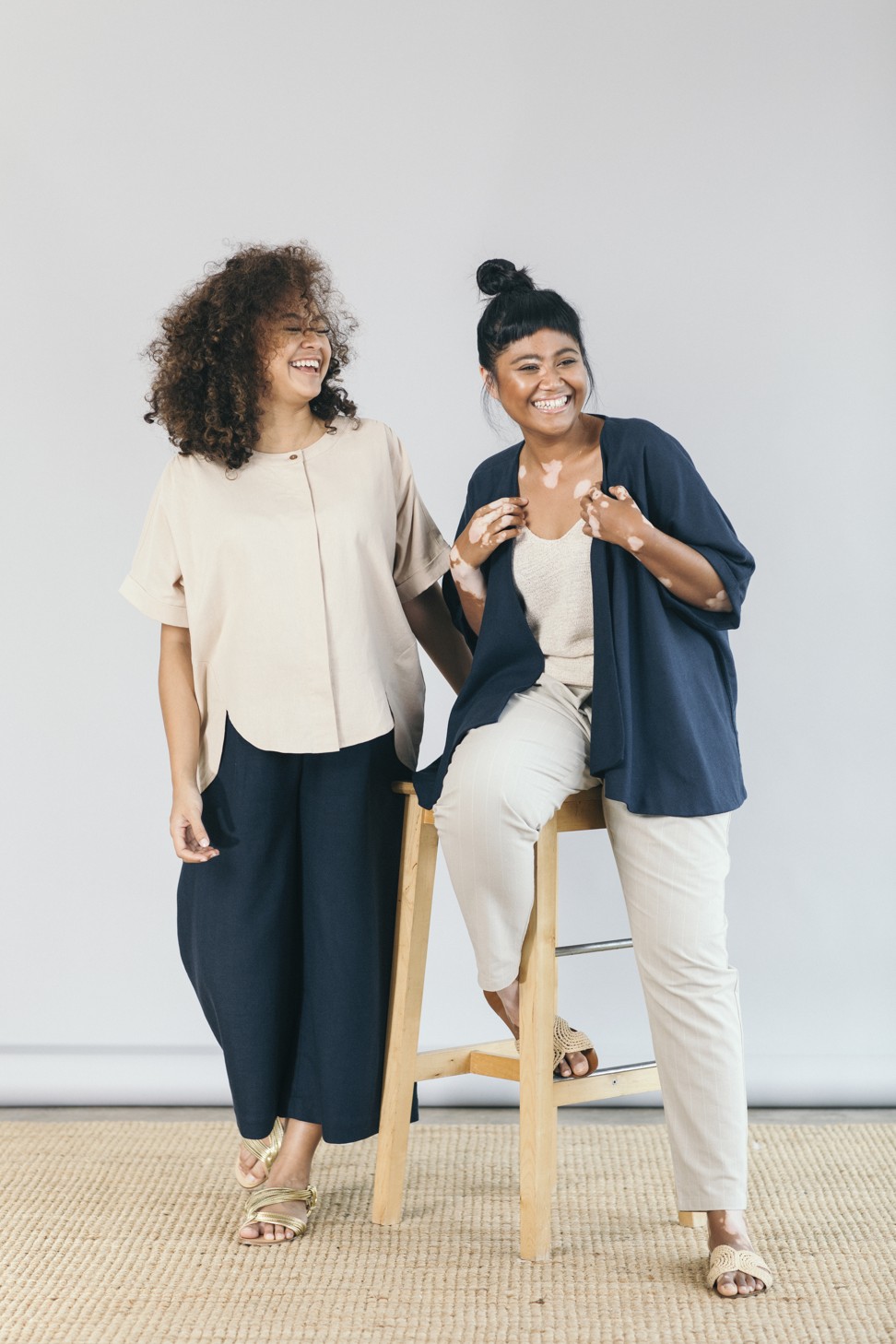
The modest wear market is set to explode in the next few years, and what will cement its success is the amalgamation of ideas, input and lived experiences of women all over the world.
 Fashion Crisco